awaken180
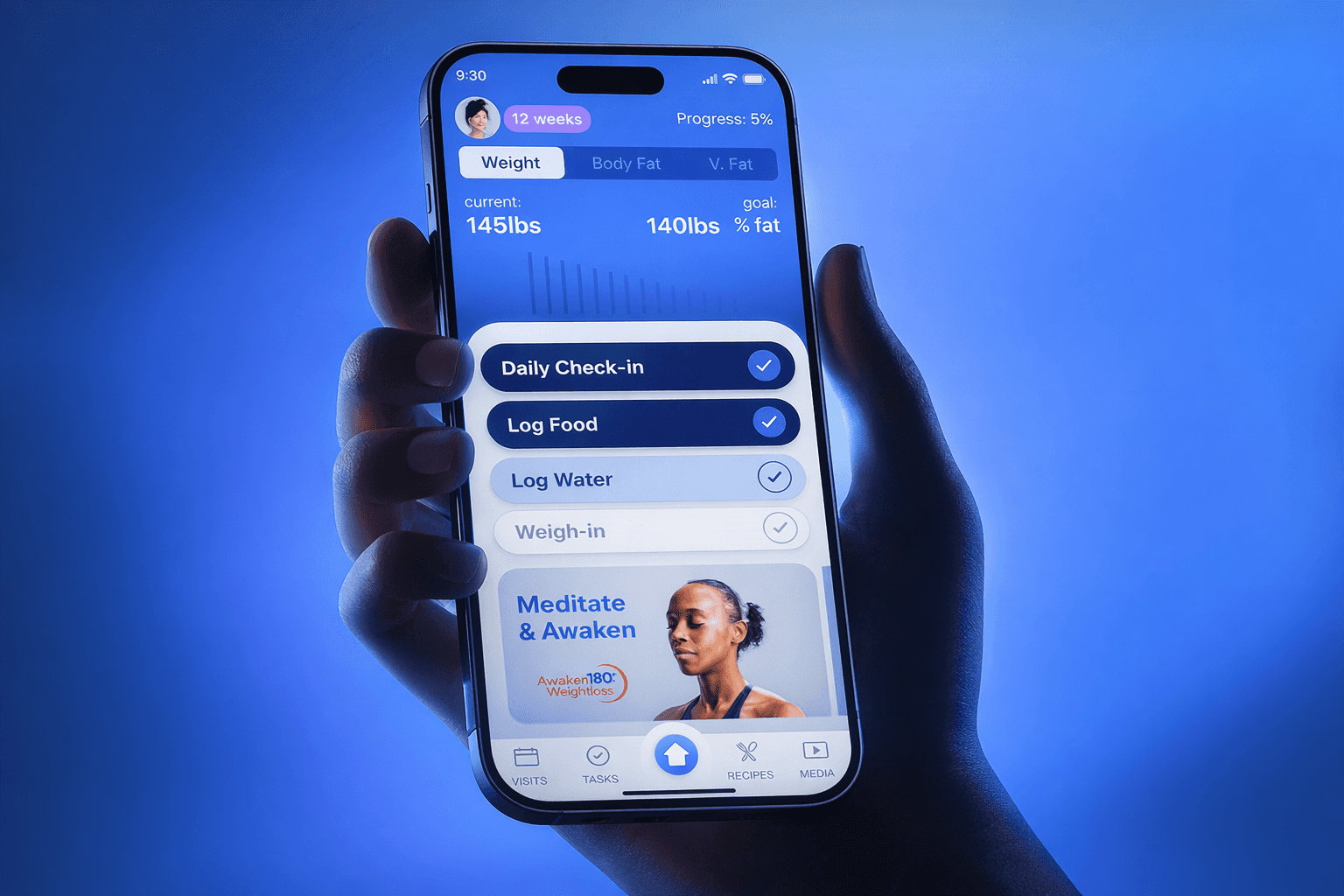
Awaken180° is a structured weight loss program with a proven real-world methodology — but without a digital companion to match it, clients were left without support between sessions. I was brought in to design a mobile app that would extend the program's impact into everyday life, making progress tracking simple, motivation consistent, and the overall experience as clear and supportive as the program itself.
FITNESS MOBILE APP | UI/UX DESIGN | VISUAL IDENTITY
Problem
Clients enrolled in the Awaken180° program had no structured digital tool to support their journey between in-person sessions. Without a way to track daily habits, log progress, and stay connected to their plan, engagement dropped and motivation faded. The challenge was to design an experience that felt simple enough for daily use, structured enough to drive consistency, and motivating enough to keep users coming back.
Resullt
The final app design delivers a focused, structured experience that directly supports the Awaken180° program's core promise — helping clients stay consistent and see results. Key design outcomes include:
Reduced onboarding friction — the flow was simplified to get users to their first meaningful action in under two minutes, addressing the most common early drop-off point.
Improved daily engagement structure — the home screen prioritises the three most important daily actions, reducing decision fatigue and making consistent use the path of least resistance.
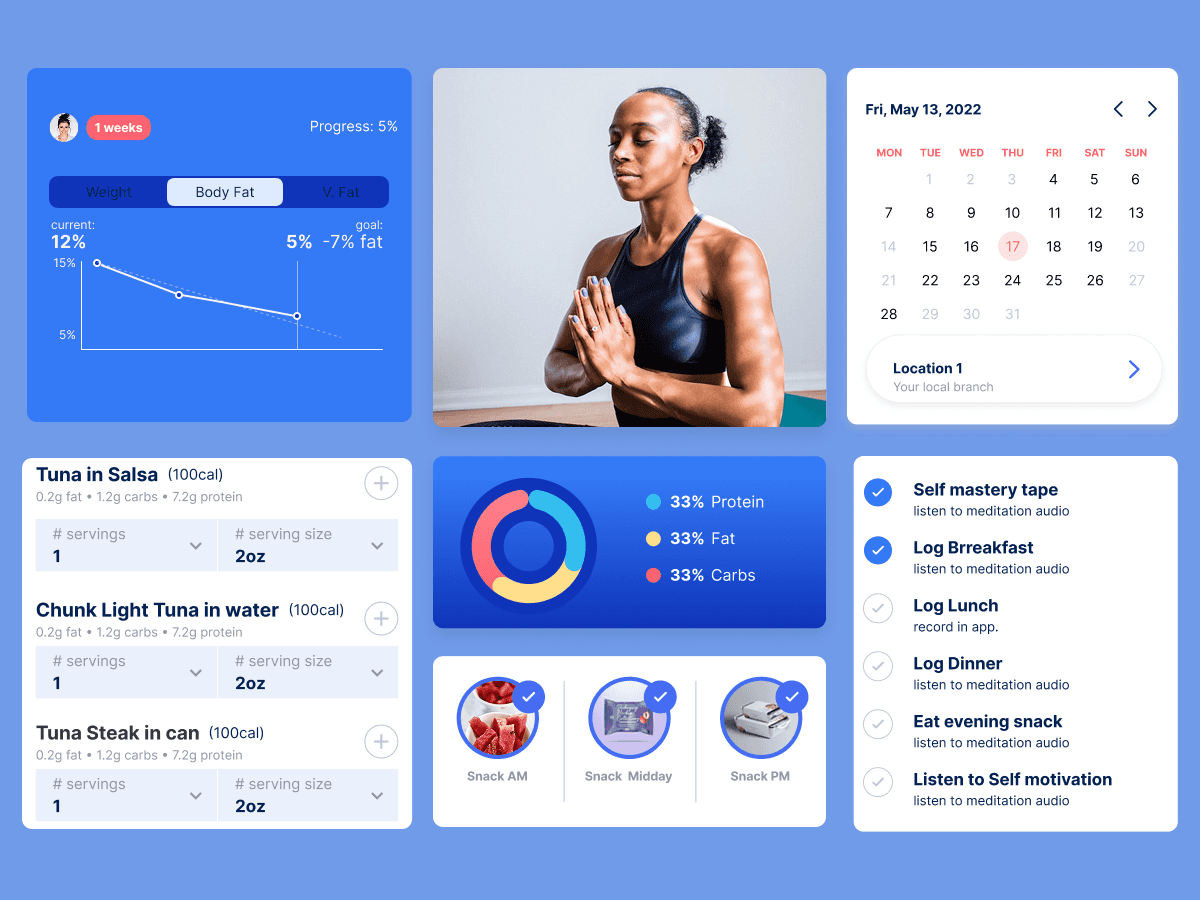
Scalable design system — all components were built for reuse and extension, allowing the product team to add features without breaking visual consistency.
The design positions Awaken180° to retain more clients digitally, extend the impact of their in-person program, and build a product foundation that can grow with the business.
UX Research & User Journey
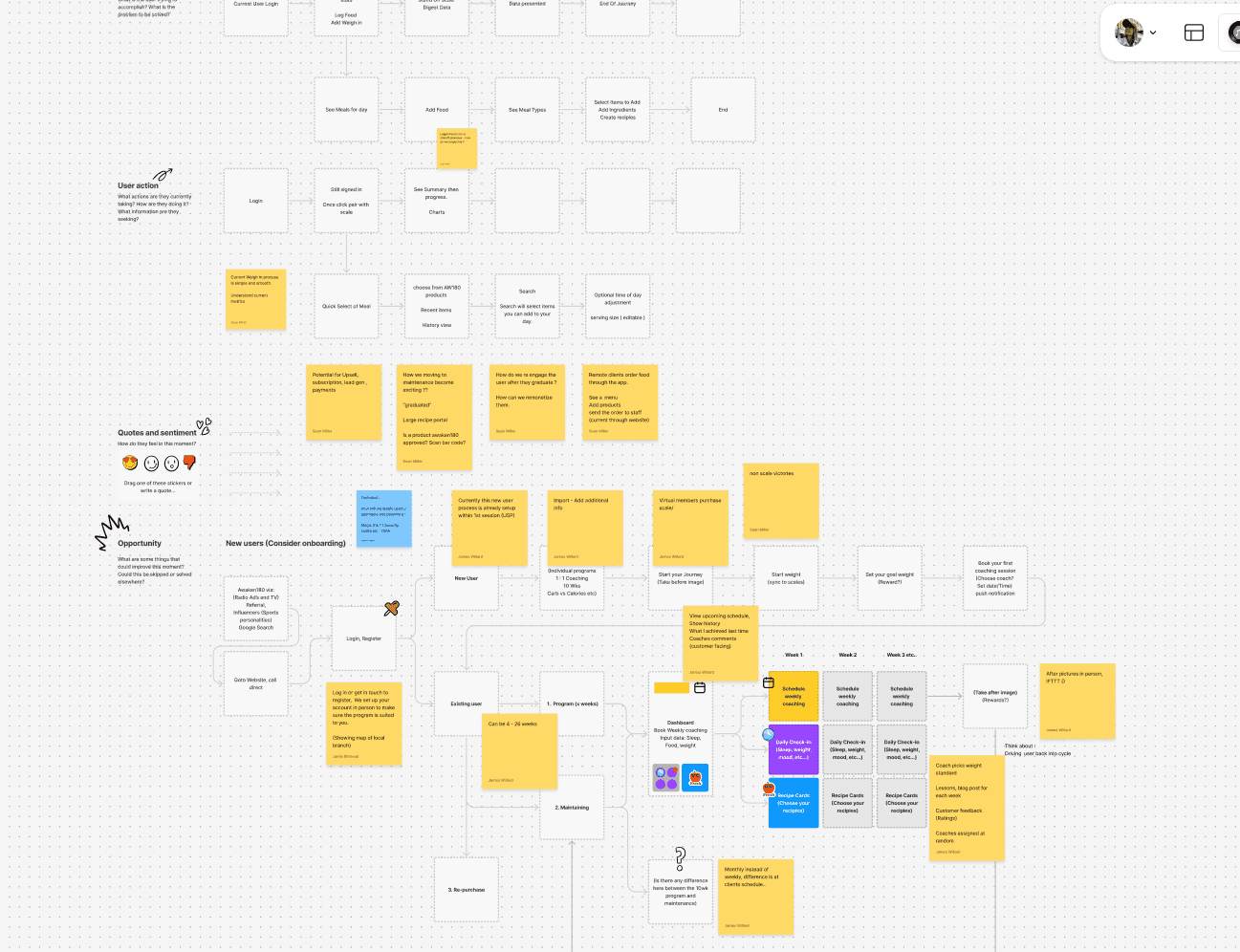
Before moving into visual design, I mapped the full user journey — from first opening the app through long-term program engagement. Research focused on identifying the highest-friction moments: onboarding confusion, daily logging drop-off, and motivation loss after the first two weeks. Using affinity mapping and user flow analysis, I identified three critical touchpoints where design decisions would have the biggest impact on retention and daily engagement. This informed both the information architecture and the priority of features across the app.
Wireframes
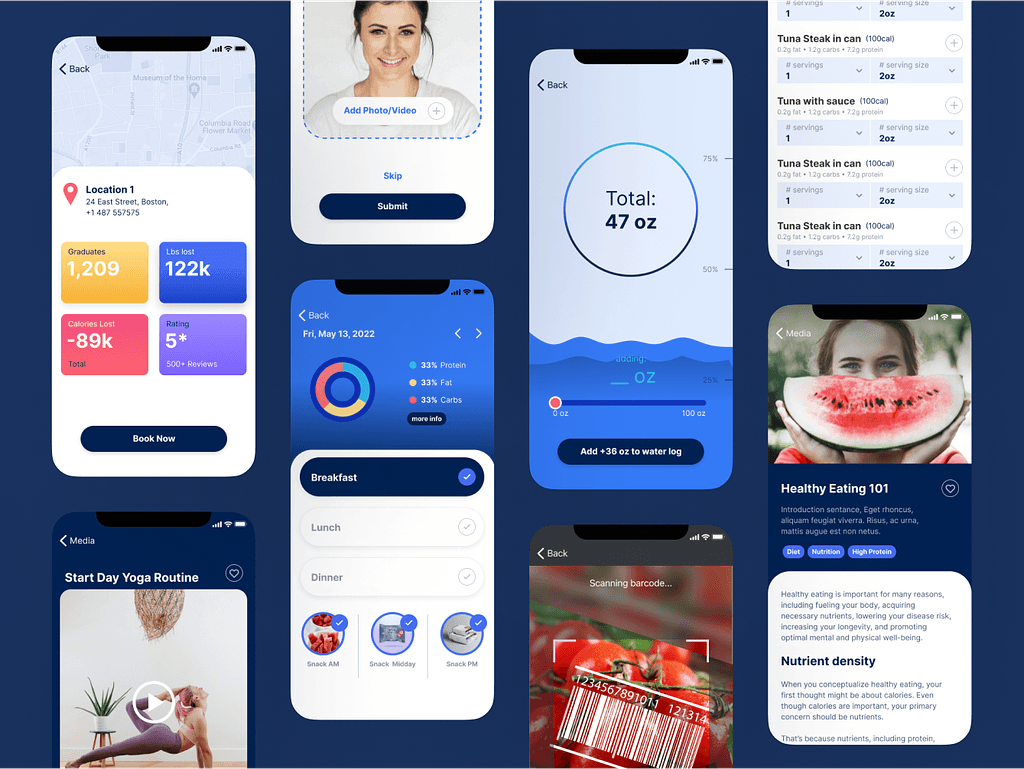
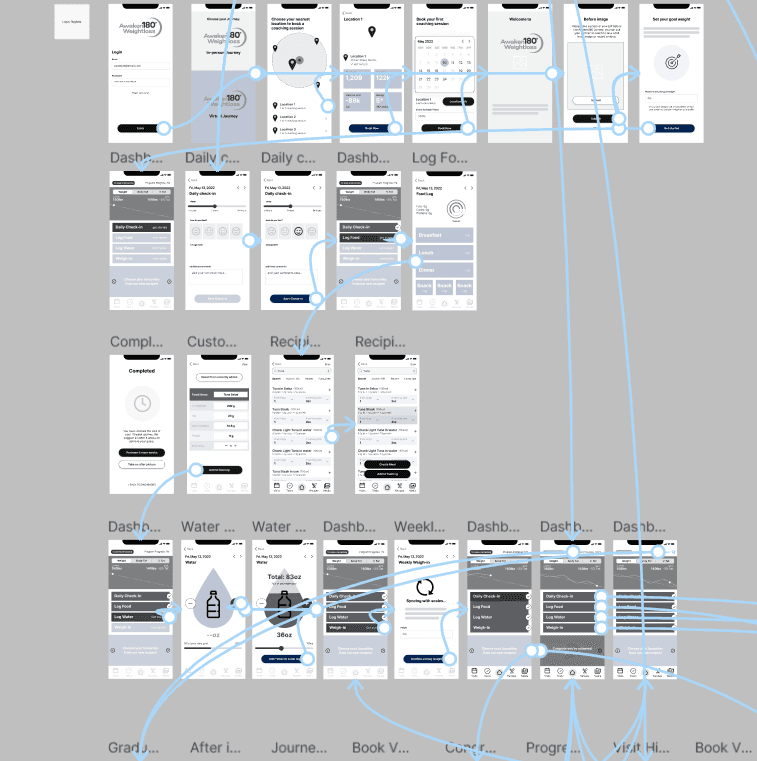
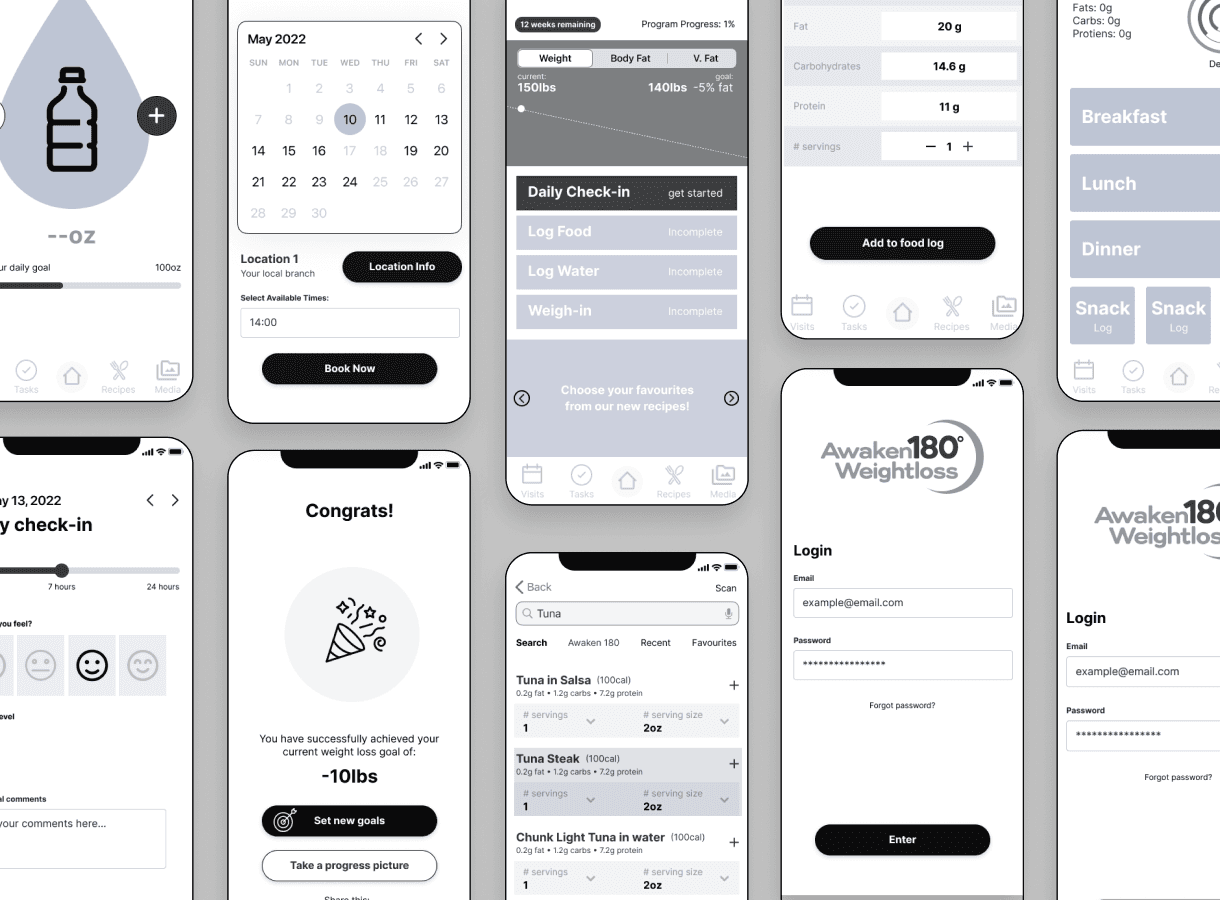
Low-fidelity wireframes were developed for all primary user flows — onboarding, daily check-in, food and water logging, progress tracking, and plan overview. Each wireframe iteration focused on reducing the number of steps to complete core actions, ensuring users could log a meal or check their progress in under three taps. Multiple layout directions were explored before arriving at a structure that balanced information density with visual breathing room.
Visual Identity
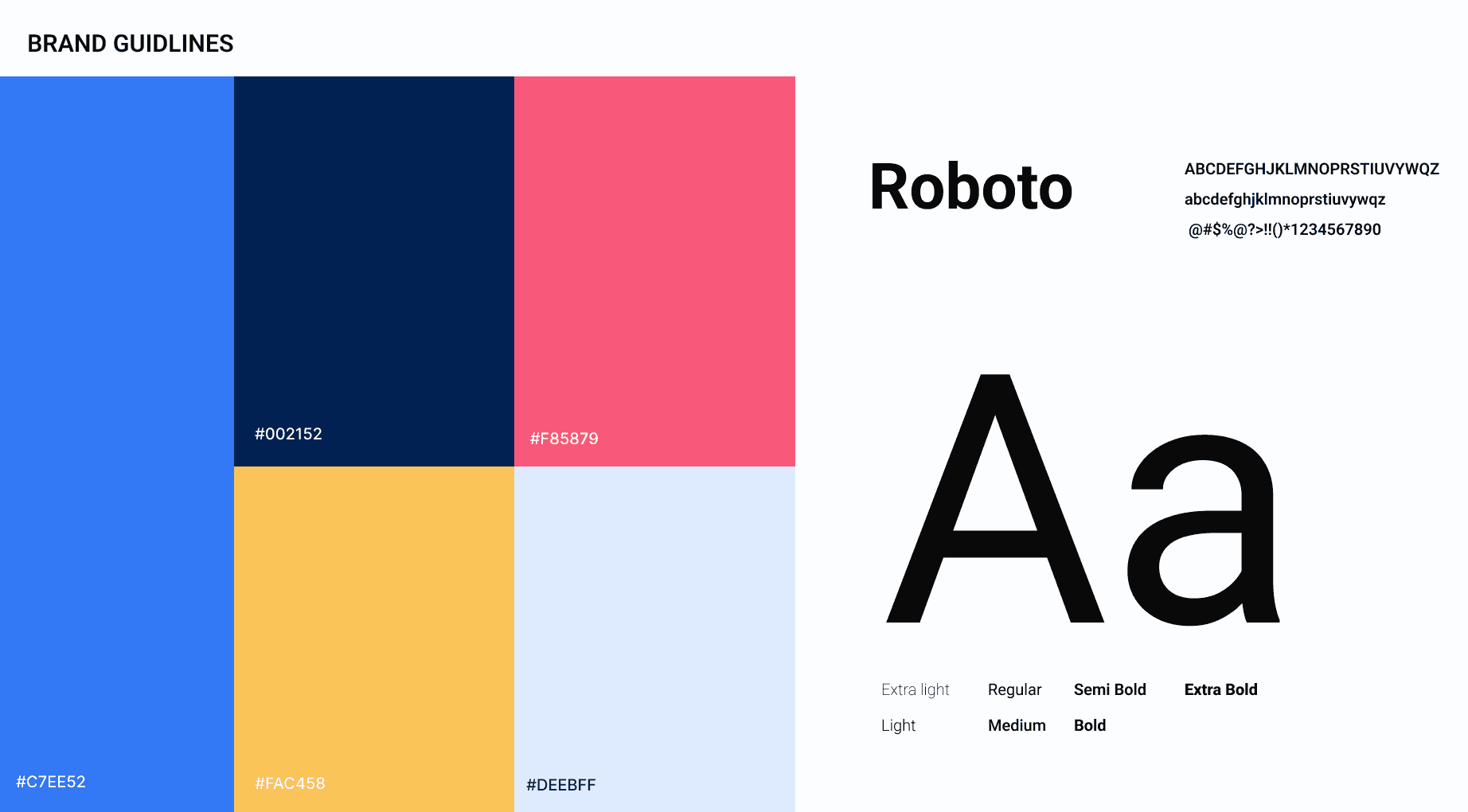
The visual system was built to support long-term engagement without feeling clinical or overwhelming. A bold primary palette — anchored in energetic blue tones — was paired with clean, accessible typography to create an interface that feels both motivating and easy to read at a glance. The design system was built for scalability: consistent components, clear spacing rules, and a hierarchy that allows users to scan screens quickly and act without hesitation.